
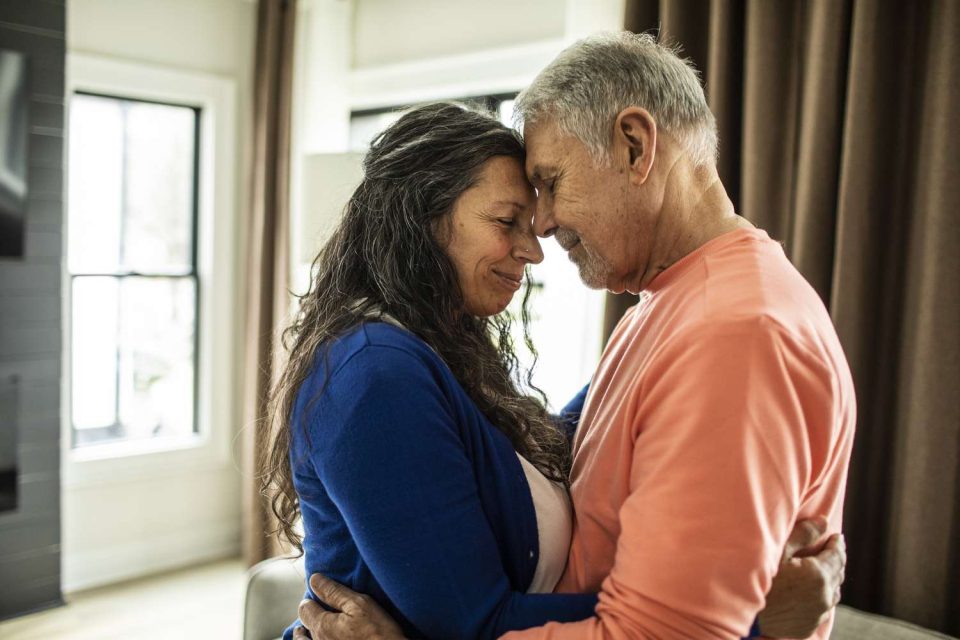
Adult lifestyle dating can be an exciting and liberating experience, offering opportunities to explore intimacy, connection, and desire beyond conventional norms. However, this world often comes with unique challenges, from navigating complex emotions to maintaining mental and sexual well-being. Therapy plays a critical role in helping adults engage in lifestyle dating safely, confidently, and authentically. By integrating psychological support, self-awareness, and communication skills, therapy can enhance personal experiences and promote healthier relationships in the adult dating sphere.
Understanding Adult Lifestyle Dating
Adult lifestyle dating encompasses a broad spectrum of consensual adult relationships, often including kink, open relationships, swinging, polyamory, or other non-traditional arrangements. Unlike conventional dating, adult lifestyle dating prioritizes personal freedom, sexual exploration, and honest communication about desires and boundaries.
Key Characteristics of Adult Lifestyle Dating
-
Consent-focused interactions: Mutual agreement and ongoing communication are fundamental to ensure everyone involved feels safe and respected.
-
Exploration of desires: Individuals are encouraged to explore fantasies, kinks, and preferences without judgment.
-
Open communication: Clear articulation of boundaries, needs, and expectations is critical to avoid misunderstandings and emotional strain.
-
Community involvement: Many participants engage with local or online communities to share experiences, learn best practices, and find compatible partners.
While adult lifestyle dating offers unparalleled opportunities for personal growth and sexual satisfaction, it also comes with potential emotional and psychological challenges. These can range from jealousy and insecurity to anxiety and difficulty maintaining emotional balance. This is where therapy becomes a valuable ally.
How Therapy Supports Emotional Well-being
Therapy in the context of adult lifestyle dating provides a safe, judgment-free space for individuals to explore their emotions, fears, and relationship patterns. Therapists can help participants develop emotional intelligence and resilience, which are essential for navigating non-traditional dating structures.
Emotional Challenges in Lifestyle Dating
-
Jealousy and insecurity: Open relationships and polyamory may trigger feelings of inadequacy or fear of abandonment.
-
Boundary confusion: Differentiating between emotional and sexual boundaries can be challenging, especially for newcomers.
-
Societal stigma: Adults engaging in alternative dating may experience judgment or lack of support from friends and family.
-
Internalized shame: Feelings of guilt or shame around sexual preferences or desires can impact self-esteem and intimacy.
Therapy can address these challenges by teaching coping strategies, enhancing self-awareness, and helping clients understand the origins of their emotions. Cognitive Behavioral Therapy (CBT), for example, can help individuals reframe negative thought patterns, reduce anxiety, and strengthen self-confidence in dating scenarios.
Enhancing Communication Skills
Effective communication is at the heart of successful adult lifestyle dating. Therapy equips individuals with tools to communicate openly, assertively, and empathetically with partners. This not only prevents misunderstandings but also deepens intimacy and trust.
Techniques for Healthy Communication
-
Nonviolent communication: Focusing on expressing feelings and needs without blame or judgment.
-
Active listening: Ensuring partners feel heard and validated, reducing conflicts and misunderstandings.
-
Boundary articulation: Learning to define, assert, and respect personal and partner boundaries consistently.
-
Conflict resolution strategies: Developing techniques to address disagreements constructively, avoiding emotional escalation.
Individuals who practice these communication strategies often report greater satisfaction in their adult lifestyle relationships and more confidence in exploring diverse dating dynamics.
Therapy and Sexual Health
Sexual well-being is a critical aspect of adult lifestyle dating, and therapy plays a pivotal role in promoting healthy sexual expression. A sex-positive therapist can guide individuals in understanding their desires, addressing sexual anxiety, and fostering respectful sexual interactions.
Areas of Focus in Sexual Therapy
-
Understanding personal desires: Clarifying fantasies, preferences, and boundaries without guilt or shame.
-
Managing sexual anxiety: Techniques to overcome performance pressure or nervousness in new or complex encounters.
-
Enhancing intimacy: Building deeper emotional and physical connections with partners through mindful practices.
-
Promoting safe sexual practices: Encouraging open discussion about consent, STI prevention, and sexual health screenings.
By addressing these areas, therapy empowers adults to engage in lifestyle dating with confidence, curiosity, and emotional safety.
Addressing Relationship Dynamics
Adult lifestyle dating often involves intricate relational structures that can include multiple partners or varying degrees of commitment. Therapy helps individuals navigate these dynamics, ensuring all parties experience fairness, clarity, and emotional support.
Common Relationship Challenges
-
Navigating polyamory: Balancing attention, affection, and emotional needs across multiple partners.
-
Managing jealousy: Understanding triggers and developing coping mechanisms to prevent resentment.
-
Negotiating open relationships: Establishing rules, agreements, and expectations that satisfy all participants.
-
Ending relationships gracefully: Learning to communicate dissolution or changes respectfully without emotional harm.
Therapists provide guidance, reflective exercises, and practical tools to manage these dynamics, allowing individuals to maintain healthy, sustainable adult lifestyle connections.
Therapy for Personal Growth and Self-Awareness
Beyond addressing immediate challenges, therapy supports long-term personal growth and self-discovery. Adult lifestyle dating can be a journey of self-exploration, and therapy enhances this experience by fostering self-awareness and emotional intelligence.
Benefits of Self-Awareness in Dating
-
Understanding motivations: Recognizing why certain patterns or desires emerge in relationships.
-
Developing emotional resilience: Handling rejection, disappointment, and conflict with maturity and composure.
-
Enhancing self-esteem: Building confidence in sexual identity, choices, and personal values.
-
Promoting authenticity: Encouraging individuals to present their true selves without fear of judgment.
Individuals who engage in therapy often find that their dating experiences become more fulfilling, authentic, and aligned with their personal values and desires.
Integrating Therapy into Lifestyle Dating
Therapy can be incorporated into adult lifestyle dating in various ways. Depending on individual needs, one may pursue individual counseling, couples therapy, or specialized sex-positive therapy sessions.
Practical Approaches
-
Individual therapy: Focused on personal growth, self-understanding, and emotional regulation.
-
Couples therapy: Enhances communication, resolves conflicts, and strengthens relational bonds.
-
Group therapy or support groups: Provides shared experiences and peer learning in a safe environment.
-
Online therapy platforms: Offers flexible access for adults navigating busy lifestyles or geographically dispersed partners.
Integrating therapy as a proactive part of adult lifestyle dating ensures participants are emotionally prepared, self-aware, and equipped to handle the complexities of their relationships.
Real-Life Applications
Consider Jane, a 35-year-old exploring polyamory for the first time. Initial experiences triggered unexpected jealousy and self-doubt. Through therapy, Jane learned to identify triggers, communicate needs clearly, and embrace her desires without shame. Her relationships became more fulfilling, and she navigated the polyamorous lifestyle with confidence and emotional stability.
Similarly, Mark, a 42-year-old participant in BDSM communities, struggled with anxiety about performance and acceptance. Sex-positive therapy provided a judgment-free space to explore fantasies, set clear boundaries, and build a supportive network of partners who respected his limits. As a result, Mark experienced increased satisfaction and emotional well-being within the adult lifestyle community.
These examples highlight how therapy not only addresses challenges but also enhances the richness and satisfaction of adult lifestyle dating experiences.
FAQs About Therapy in Adult Lifestyle Dating
Q1: Can therapy help if I’m new to adult lifestyle dating?
Yes, therapy provides guidance, emotional support, and practical tools for newcomers to navigate desires, boundaries, and complex relationship dynamics safely.
Q2: Is it necessary to disclose my lifestyle preferences to a therapist?
While it is not mandatory, sharing your preferences allows the therapist to provide tailored guidance and address challenges effectively.
Q3: How does therapy help with jealousy in open relationships?
Therapy helps identify triggers, develop coping strategies, and improve communication skills, reducing jealousy and fostering trust.
Q4: Can couples therapy work for non-traditional relationships?
Absolutely. Couples therapy can be adapted to support polyamorous, open, or kink-focused relationships, ensuring fairness, respect, and clarity among partners.
Q5: Are there therapists specializing in sexual lifestyle guidance?
Yes, sex-positive therapists and counselors are trained to support adults exploring alternative dating, kink, and sexual expression without judgment.
Q6: How often should I attend therapy for lifestyle dating issues?
Frequency depends on individual needs. Weekly or bi-weekly sessions are common initially, with adjustments as challenges are addressed and progress is made.
Q7: Can therapy improve communication with multiple partners?
Yes, therapy enhances clarity, empathy, and assertiveness, allowing individuals to navigate multiple relationships with respect and understanding.
Conclusion
Therapy serves as a cornerstone for adults engaging in lifestyle dating, offering emotional support, communication skills, sexual guidance, and personal growth. By addressing challenges such as jealousy, anxiety, and boundary confusion, therapy empowers individuals to explore desires authentically and safely. Integrating therapy into adult lifestyle dating not only mitigates potential pitfalls but also enhances overall satisfaction, self-awareness, and relational depth. Embracing professional guidance allows participants to fully experience the freedom, connection, and fulfillment that adult lifestyle dating can offer.
